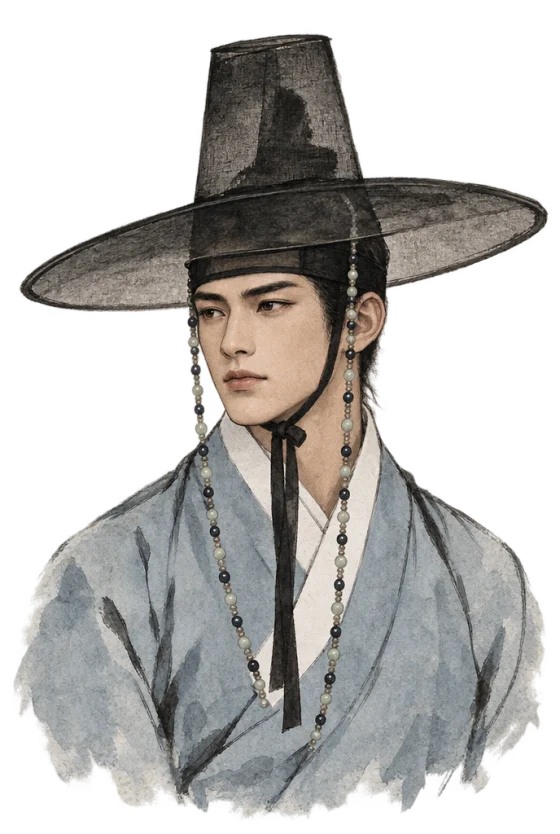
한무원Han Mu-won
검률 · 나Legal officer · you“글로는 다 아오.”“I know it all — on paper.”
책으로만 검험을 배웠다. 죽은 사람은 한 번도 본 적이 없다.He learned inquests from books. He has never seen the dead.
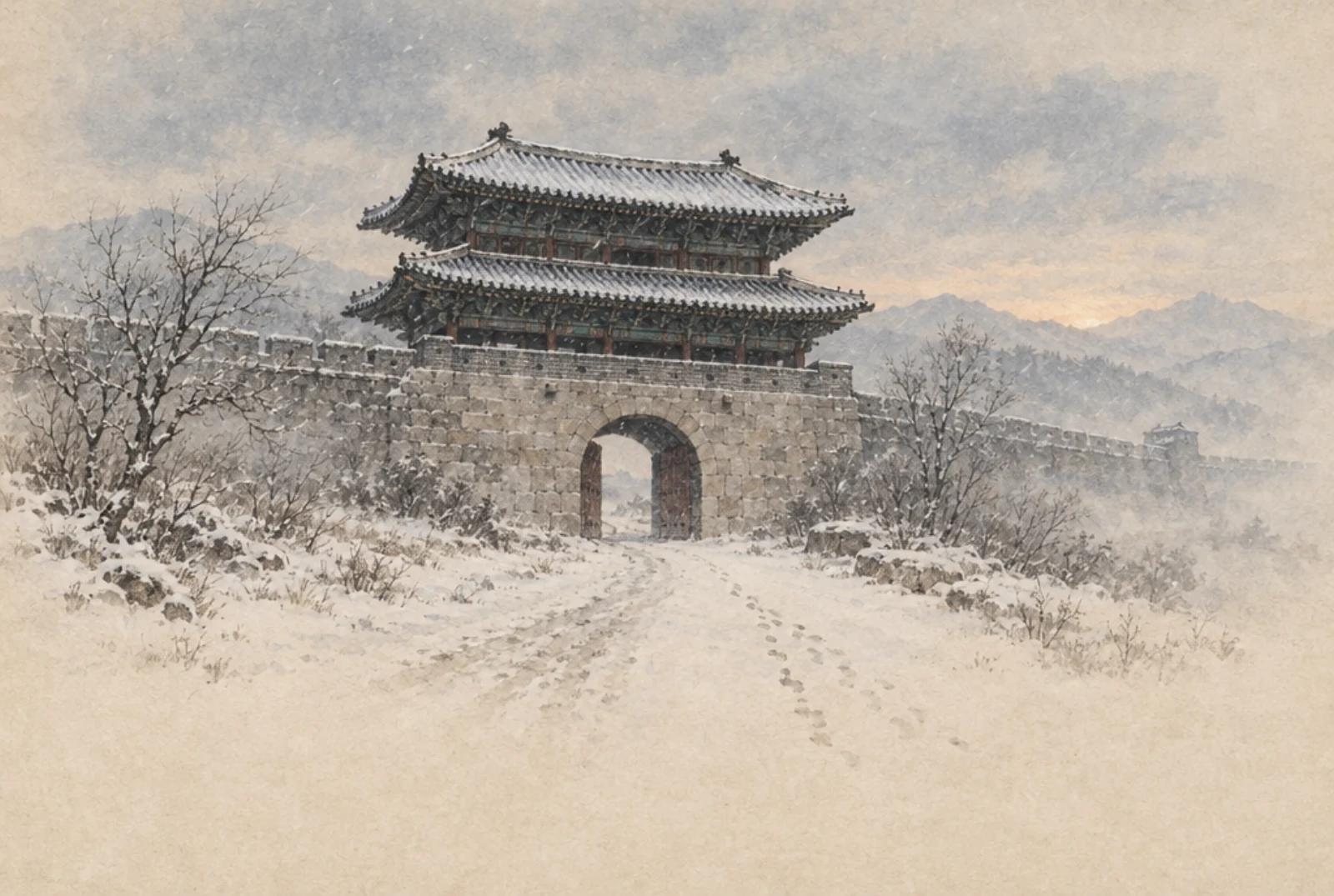
귀양 가는 아버지가 열 살 난 아이에게 책 한 권을 안긴다.A father on his way to exile presses a book into his ten-year-old son’s arms.
휠을 굴리면 성문으로 들어선다Scroll to walk through the gate
“첫 장만 읽어라.
뒷장은 네 눈으로 주검 앞에 서 본 뒤에 펴거라.”“Read only the first page.
Open the rest after you have stood before the dead with your own eyes.”“본 대로 적어라. 그리고 무원아…”
“Write what you see. And Mu-won…”

증거로 푸는 조선 수사 이야기A JOSEON-ERA DETECTIVE STORY
아버지가 남긴 사건부.
풀지 못한 사건은 이제 내가 푼다.
Your father left a casebook of unsolved cases.
Now they are yours.
휠을 굴리면 이야기가 시작된다Scroll to begin
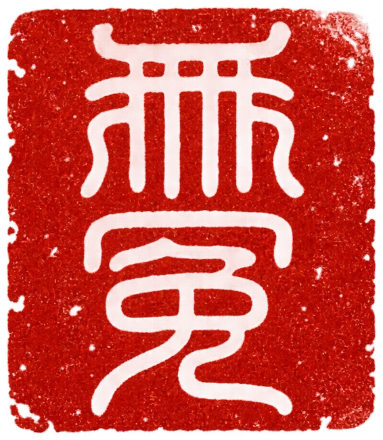
없을 무, 원통할 원. 그 아이의 이름이다.Mu-won: “let no one be wronged.” It is the boy’s name.
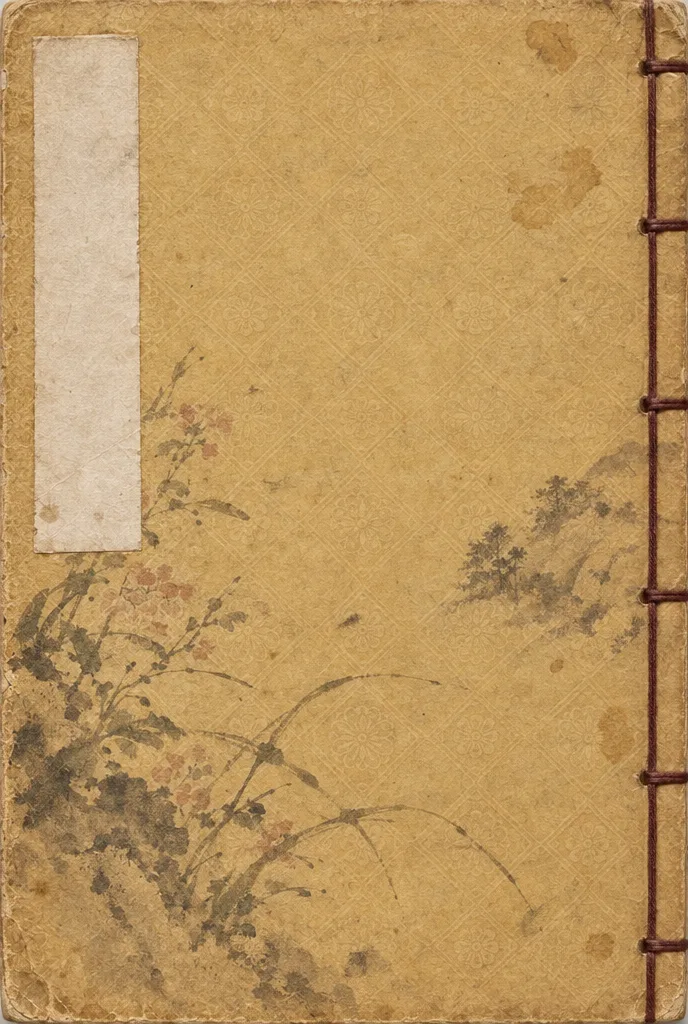
아버지가 끝내 풀지 못한 일들을 적어 둔 책.The book where your father wrote down what he could not solve.
사건 하나를 닫을 때마다 한 줄을 보탠다.Each case you close adds one line.
잘못 가둔 사람의 이름도, 이 책에 남는다.So does the name of anyone you jail by mistake.
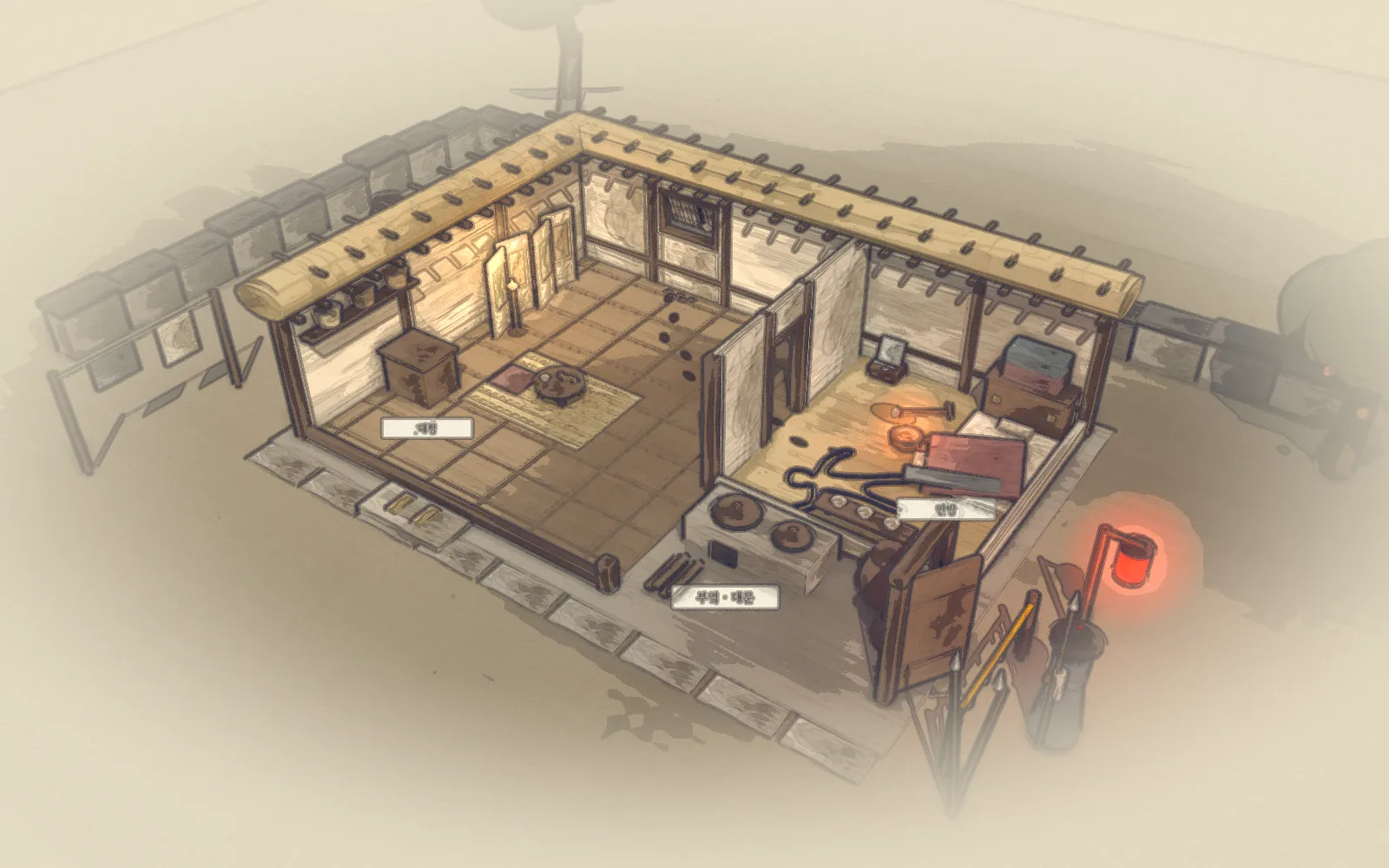
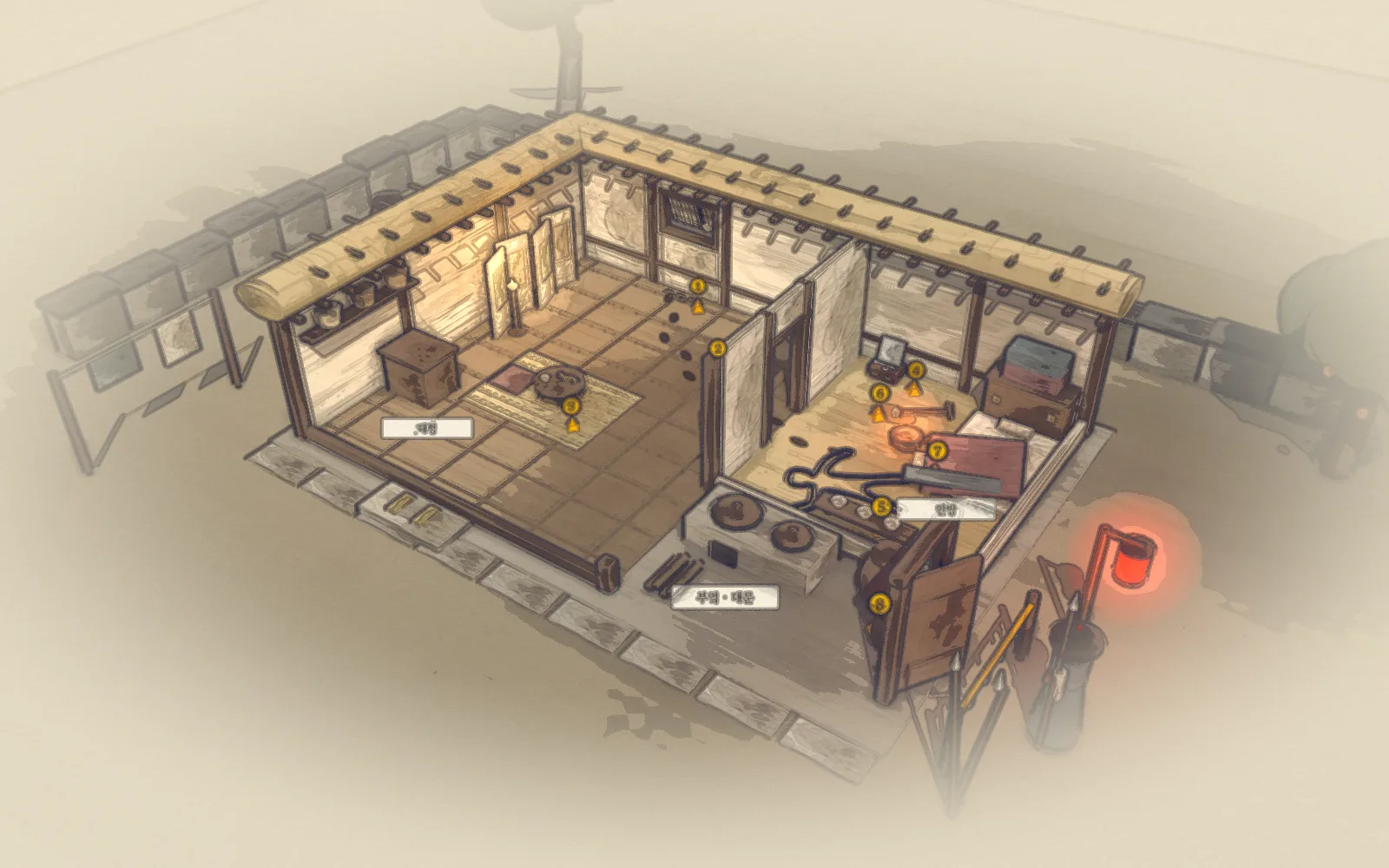
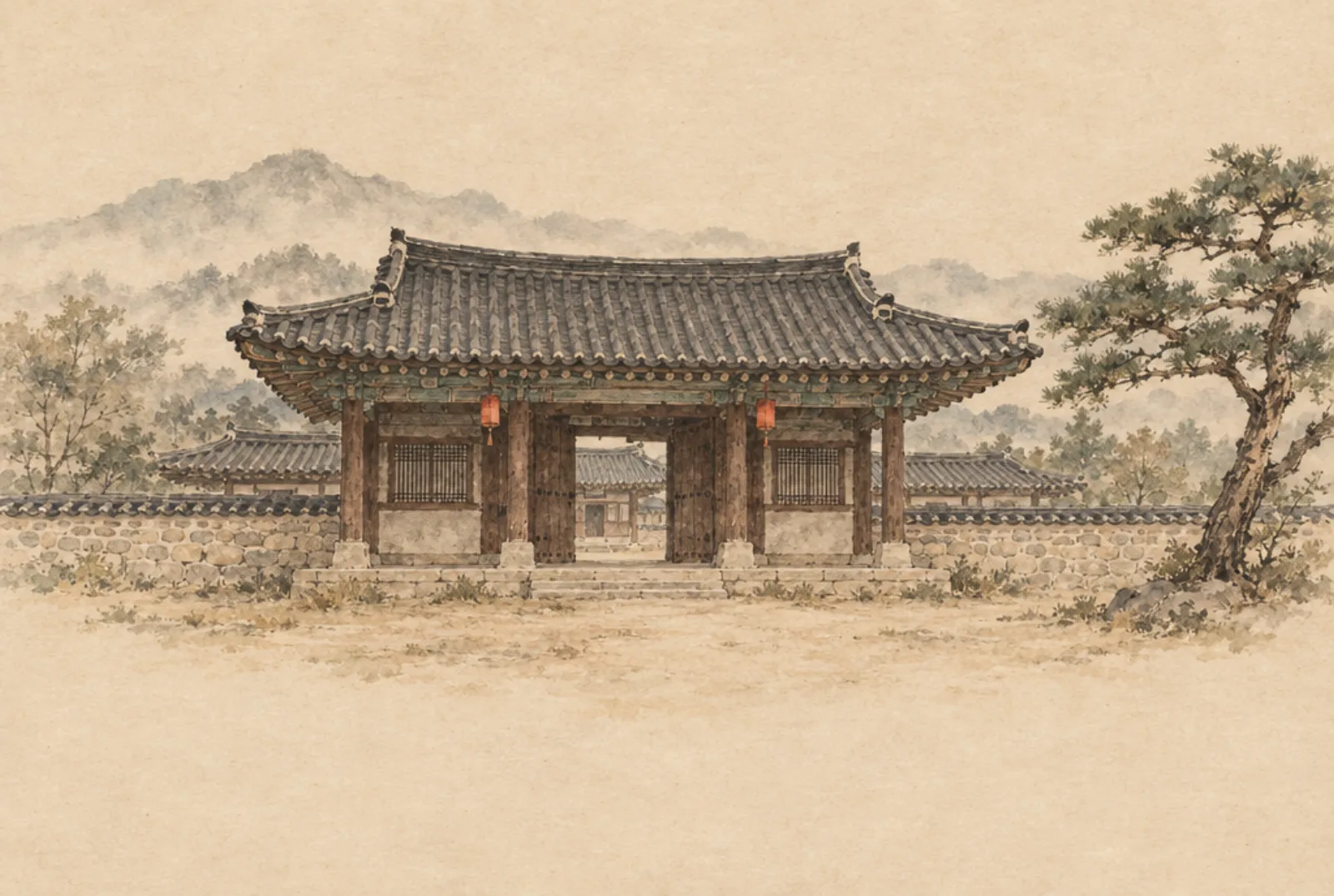
유월 초닷새 · 남촌 · 목멱산 아래 민가THE FIFTH OF THE SIXTH MONTH · A HOUSE BELOW MOUNT MONGMYEOK
책에는 냄새가 적혀 있지 않았다.The books never mentioned the smell.
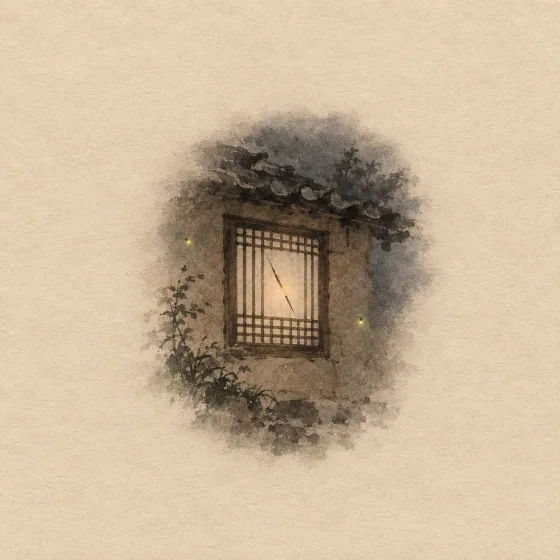
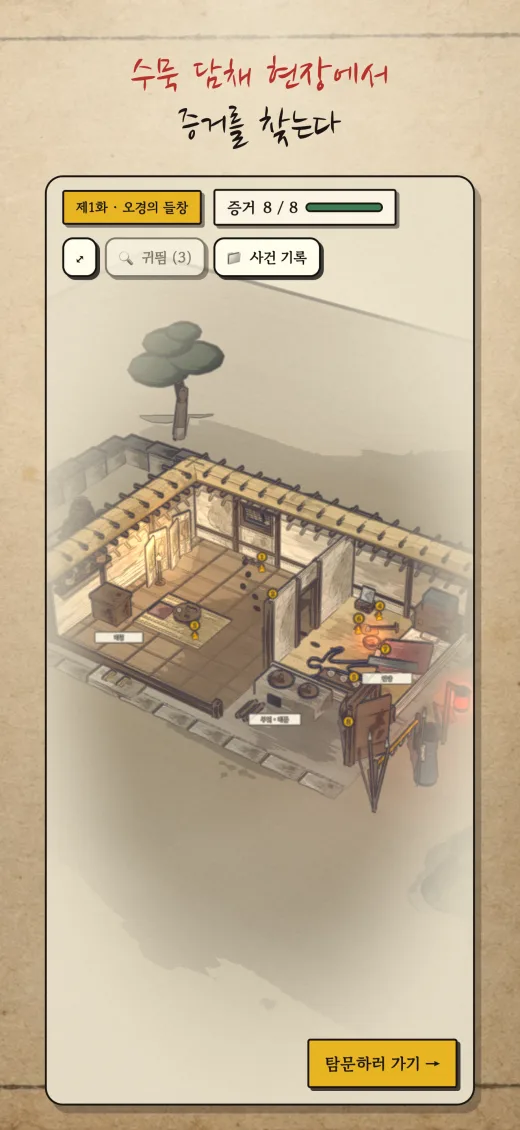
등불을 움직여 살피자. 아는 대로, 차례대로.Move the lantern and look. In order, as you were taught.
무엇이 없어졌는가가 아니라, 무엇이 그대로인가.Not what is missing — what was left untouched.
혼자 푸는 이야기가 아니다You do not solve it alone
“글로는 다 아오.”“I know it all — on paper.”
책으로만 검험을 배웠다. 죽은 사람은 한 번도 본 적이 없다.He learned inquests from books. He has never seen the dead.
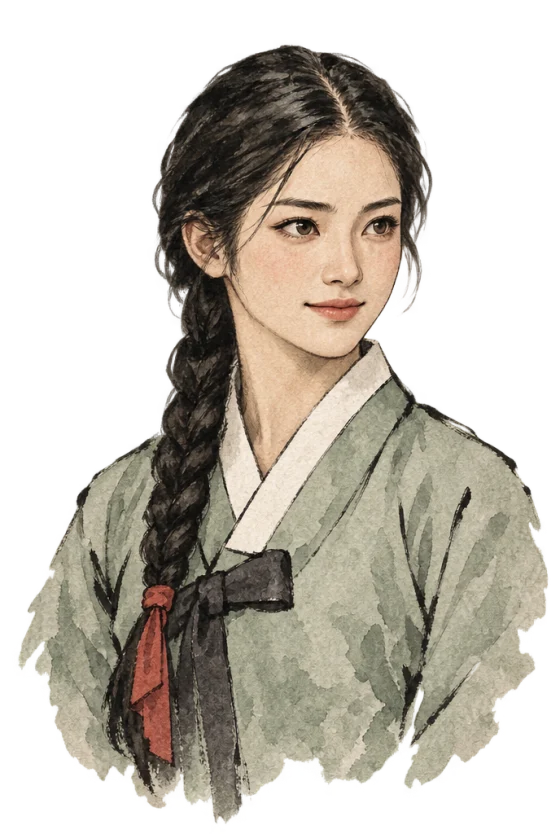
“먼저 “놀라셨지요” 하세요. 그 한마디면 사람들은 묻지 않은 것까지 말해 줘요.”“Start with “That must have been a shock.” After that, people tell you things you never asked.”
사라진 사람 일이면 눈빛이 달라진다. 까닭은 아무도 모른다.Her eyes change when someone goes missing. No one knows why.
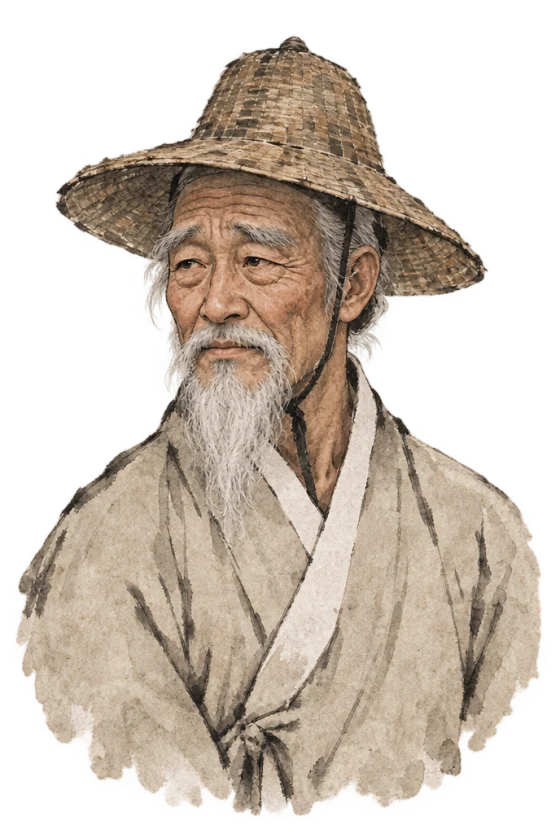
“토하는 사람은 믿을 만합니다. 아무렇지 않은 사람이 무서운 겁니다.”“A man who throws up can be trusted. It’s the ones who feel nothing you should fear.”
아버지 곁에서 일하던 사람. 그 얘기는 차차 하자고 한다.He worked beside your father. “We’ll get to that,” he says.
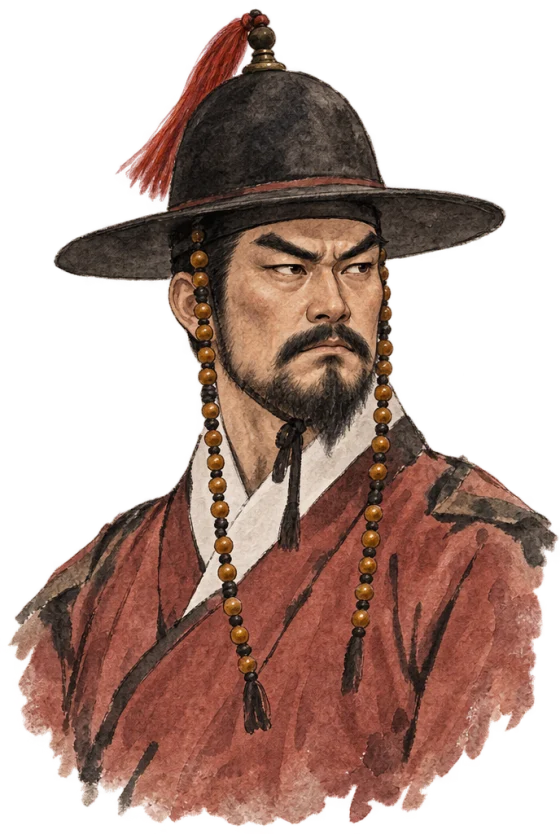
“닫는 것도 사람을 살리는 일이야.”“Closing a case saves lives too.”
허리춤에 서고의 열쇠가 있다. “여기서 버텨 보게. 버티면 주지.”The archive key hangs at his waist. “Last here, and it’s yours.”
연이: “틀린 말 한 사람이 엿 한 가락이에요.”Yeon-i: “Whoever’s wrong owes a stick of taffy.”
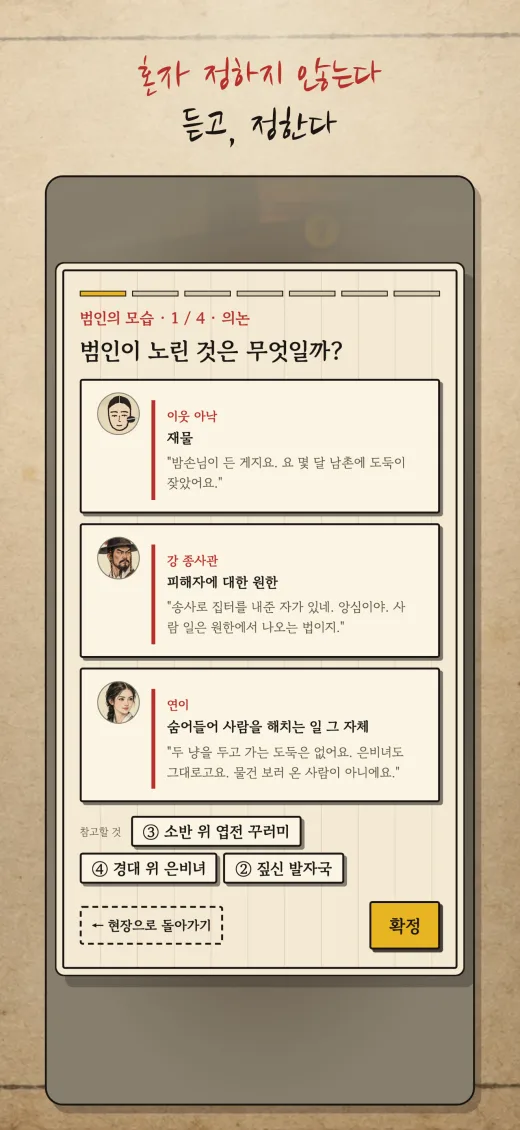
곁의 사람들이 저마다 다른 것을 본다. 정하는 것은 나다.
Each of them sees something different. The decision is yours.
“해 질 때까지일세. 그때까지 그자가 아니라는 것을 내게 보이게.”“You have until sunset. Show me by then that it wasn’t him.”
화마다 되돌릴 수 없는 선택이 하나 있다.Every episode has one choice you cannot take back.
어느 쪽에도 값이 있다. 여덟 화의 선택이 세 가지 결말로 간다.Either way costs something. Eight choices lead to three endings.
여덟 화 · 여덟 가지 수사법Eight episodes · eight methods
사건이 난 자리로 거처를 짐작한다Where the offender lives, from where it happened
무료FREE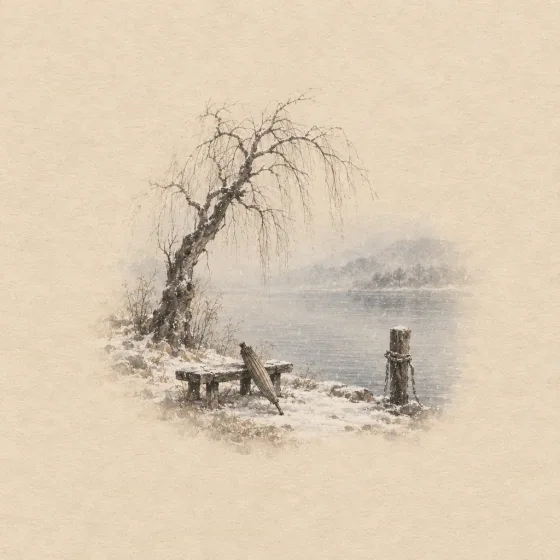
물길의 기록을 맞대어 배 한 척을 가린다Cross-checking river records to find one boat
무료FREE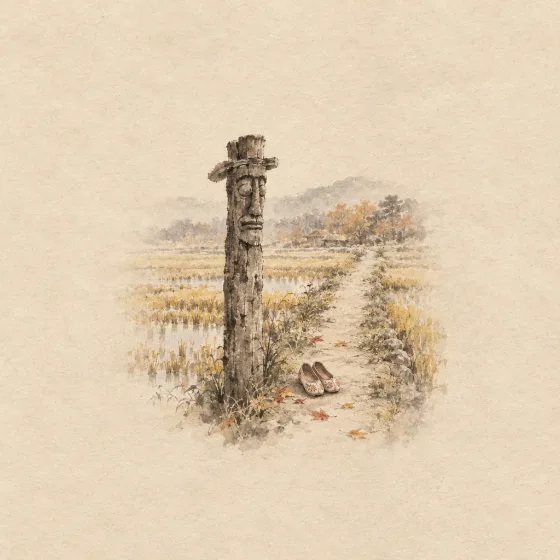
수법과 버릇을 갈라 사건을 잇는다Telling method from habit to link cases
시즌 1SEASON 1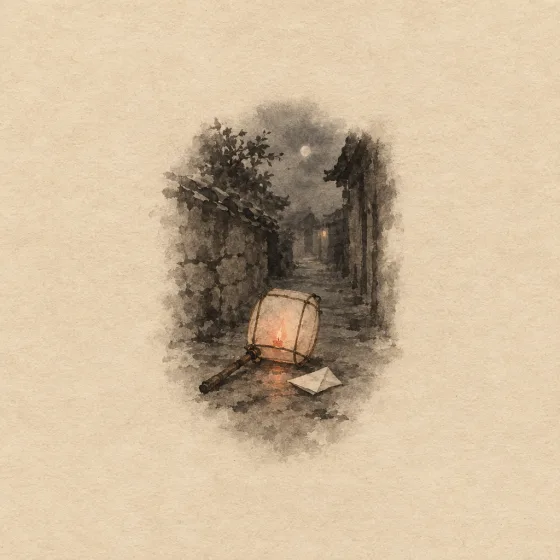
멈춘 것인가, 바꾼 것인가Did he stop, or only change?
시즌 1SEASON 1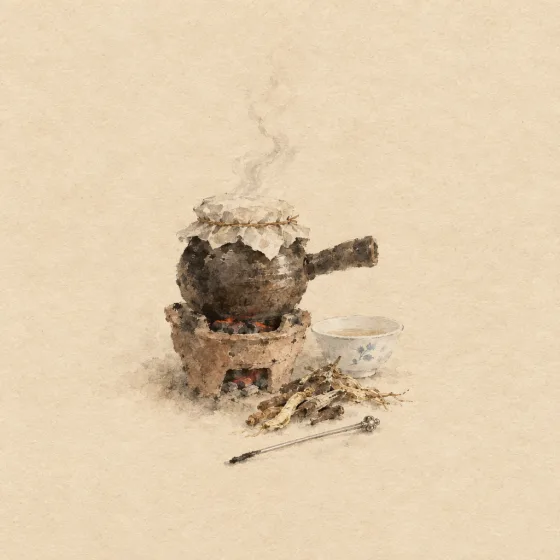
거듭된 불행에서 이득 본 사람을 본다Who gained, each time misfortune struck
시즌 1SEASON 1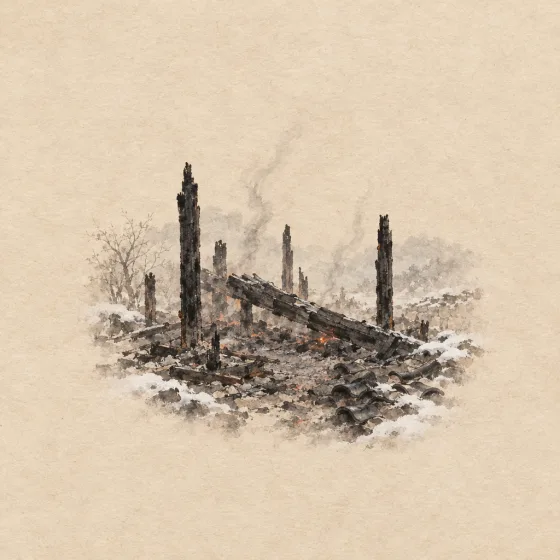
사고였다면 있어야 할 것을 적어 본다What should be there, if it were an accident
시즌 1SEASON 1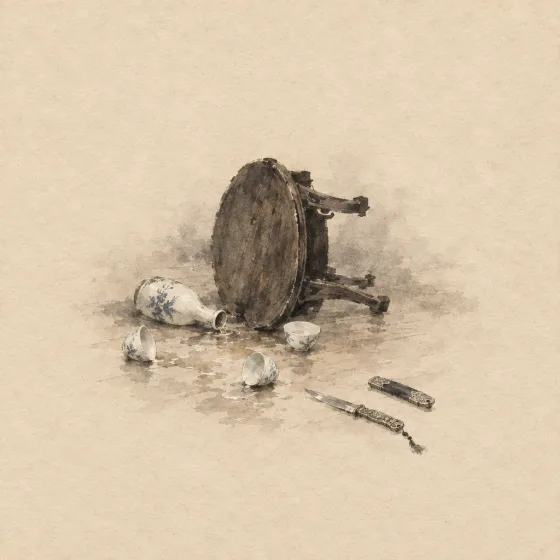
말이 엇갈리면 흔적을 읽는다When accounts conflict, read the traces
시즌 1SEASON 1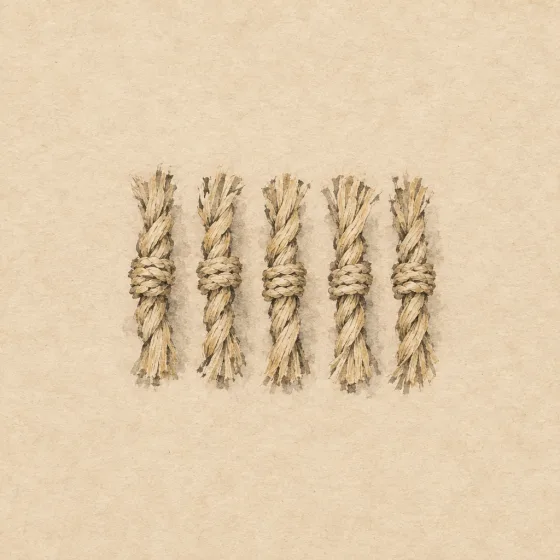
열다섯 해 묵은 사건을 다시 읽는다Reopening a fifteen-year-old case
시즌 1SEASON 1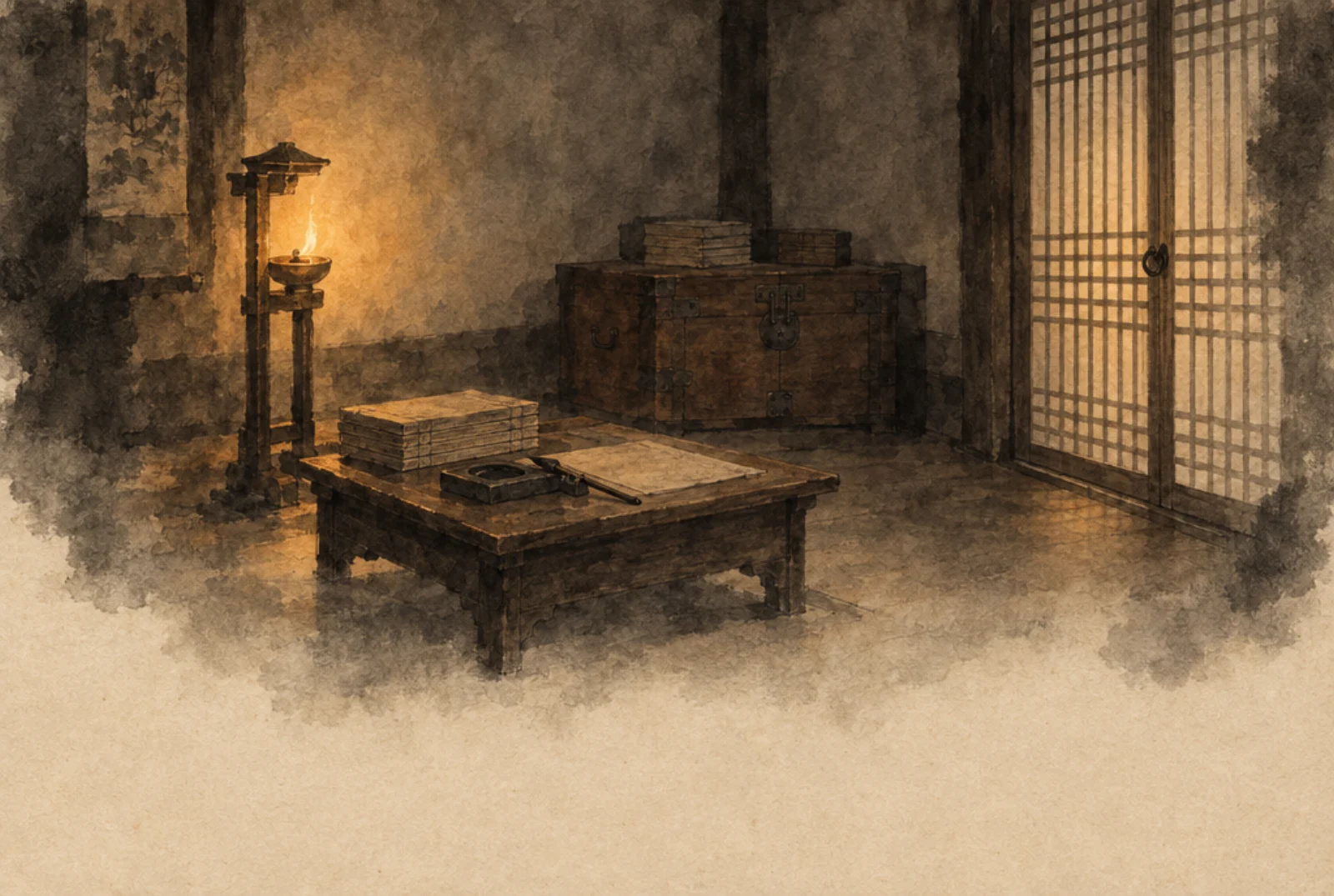
첫 검험 날 나는 마당에 나가 토했다. 오작인 곽가가 말없이 물을 떠 왔다. 부끄럽지 않다. 토하지 않는 날이 오면 그때 부끄러워할 것.On the day of my first inquest I went out to the yard and was sick. Gwak brought water and said nothing. I am not ashamed. The day I am no longer sick — that is the day to be ashamed.
그 아래, 무원의 글씨BELOW IT, IN MU-WON’S HAND저는 문설주를 잡았습니다. 곽 노인이 지금도 여기 있습니다.I held on to the doorpost. Old Gwak is still here.
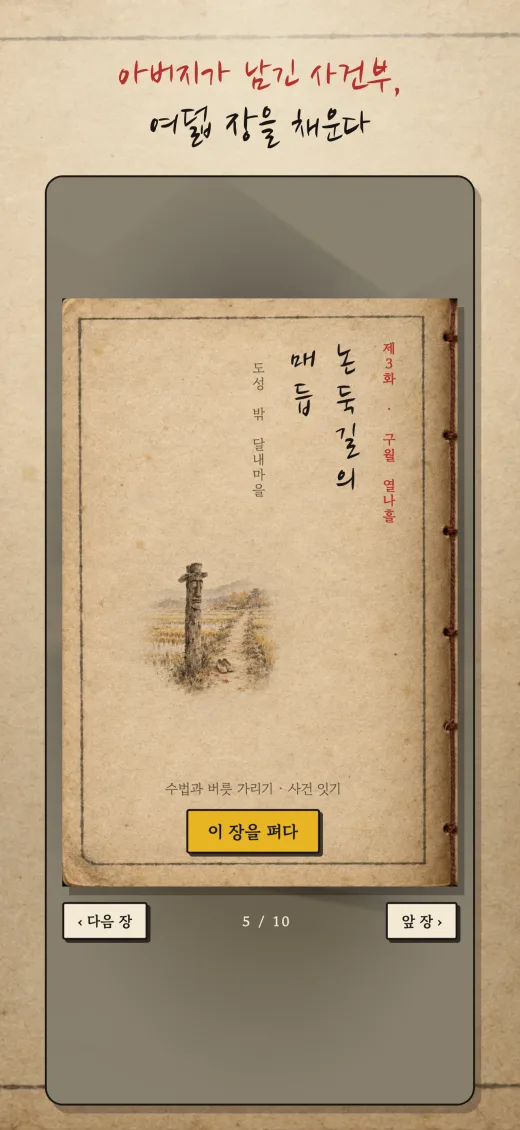
사건 하나를 닫을 때마다, 아버지의 장을 한 장 편다. 대답은 없다. 그래도 혼자 적는 것 같지는 않다.Each case you close opens one more of your father’s pages. He does not answer. Still, it no longer feels like writing alone.
손안의 사건부The casebook in your hand
증거로 푸는 조선 수사 이야기A JOSEON-ERA DETECTIVE STORY
1화와 2화는 무료. 3화부터 8화까지는 시즌 1 — 한 번 구매로 모두 열립니다.
Episodes 1 and 2 are free. Episodes 3–8 are Season 1 — one purchase unlocks them all.
App Store 출시 준비 중Coming soon to the App Store이야기 속 인물과 사건은 모두 지어낸 것입니다. 범행 장면과 주검은 그리지 않았습니다.All people and events are fictional. No crime is shown and no body is depicted. 자주 묻는 질문FAQ